Why Is My Car Losing Coolant? Causes, Signs and Fixes
If your car keeps losing coolant, there's a leak somewhere in the cooling system, either one you can see under the car or a hidden one inside the engine. At Gold Coast Service Centre, coolant loss is one of the most common cooling complaints we see at our Gold Coast mechanic workshop. This guide explains what causes it, the warning signs to watch for, and when to get help before a small leak becomes a big repair bill for drivers across Southport, Helensvale, Nerang and the wider Gold Coast.
Key Takeaways
- Coolant loss usually means a leak, anywhere from a worn hose or faulty radiator cap through to a blown head gasket.
- Driving while low on coolant can lead to engine overheating and serious, expensive engine damage.
- Leaks are either external (puddles, drips, a sweet smell) or internal (coolant burning off in the exhaust or mixing with oil, with nothing on the ground).
How Your Cooling System Works (And Why Coolant Matters)
Your cooling system pumps coolant through the engine to absorb heat, then sends it to the radiator to cool down before it goes round again. Knowing the basics makes it easier to spot when something's wrong.
Coolant is a mix of water and antifreeze that flows through passages in the engine block, cylinder head and heater core. The main parts are:
- Radiator: releases heat from the hot coolant into the air flowing through its fins
- Water pump: keeps coolant moving around the system
- Thermostat: opens once the engine warms up, letting coolant flow to the radiator
- Hoses: link everything together, and the rubber breaks down over time with heat and pressure
- Radiator cap: keeps the system under pressure, which raises the coolant's boiling point
- Coolant reservoir: holds coolant as it expands and returns it as the engine cools
Coolant also protects the inside of the engine from corrosion and helps lubricate the water pump seal. Gold Coast heat and coastal salt air both add to wear, so keeping the system healthy matters here. At Gold Coast Service Centre, our cooling system services cover pressure testing, thermostat and water pump replacement, hose inspections and radiator flushes for all makes and models.
Quick Checks If Your Car Keeps Losing Coolant
The safest first check is to look at the coolant level in the reservoir with the engine completely cold. Never open the radiator cap or add coolant while the engine is hot, as the coolant is under pressure and can cause serious burns.
- Check the coolant level against the MIN and MAX marks on the reservoir. If you're topping up regularly, that's a red flag.
- Look under the car and around the engine bay for coloured puddles, dried crusty residue or wet patches near hoses, the radiator and the reservoir.
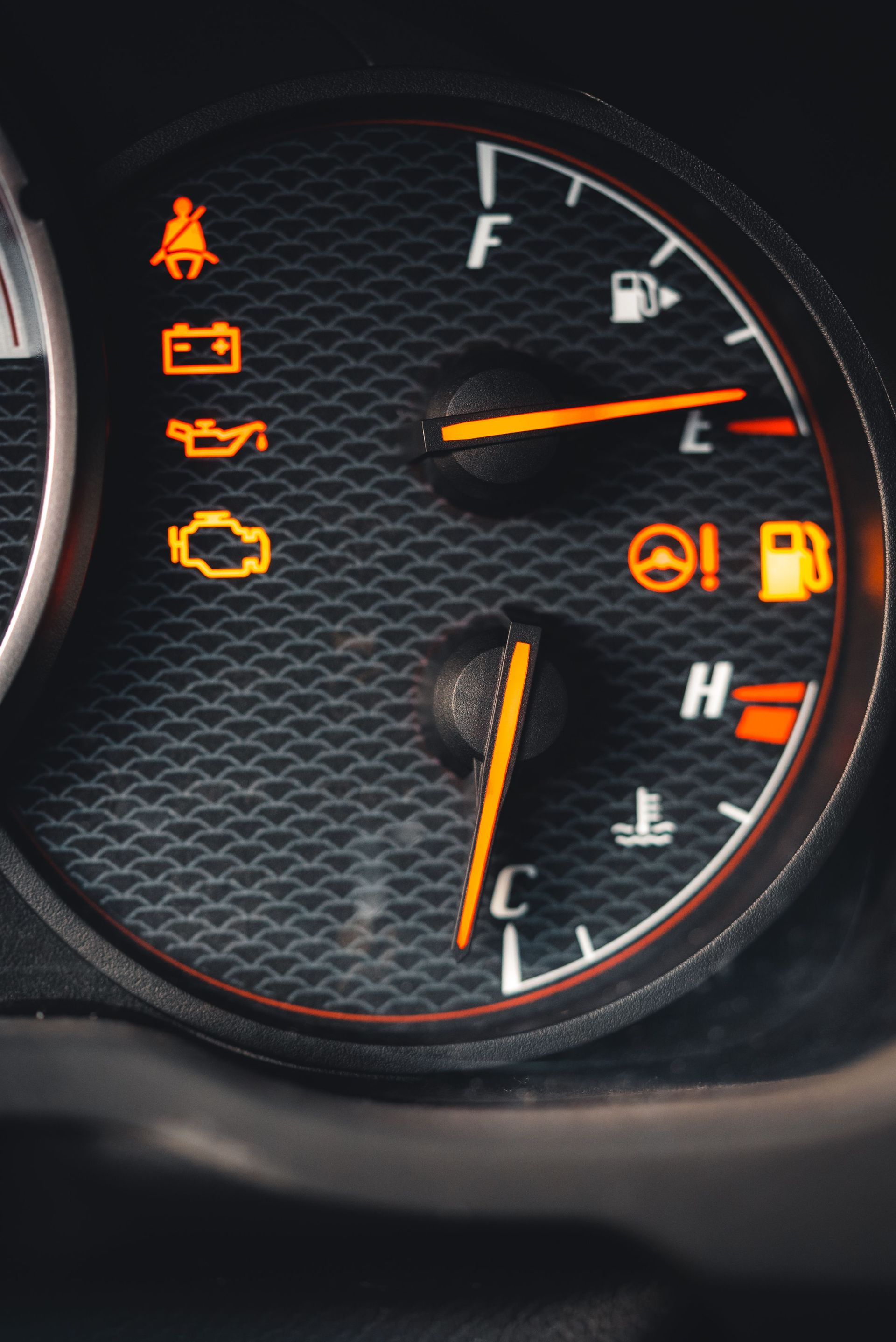
- Keep an eye on the temperature gauge and any low coolant warning light while you drive.
If the level keeps dropping and you can't find a leak, there may be an internal problem that needs a workshop diagnosis. Rather than guessing, book an inspection with Gold Coast Service Centre in Southport.
External Coolant Leaks: What You Can See From Outside
An external coolant leak is one you can usually see or smell, and the most common sources are the radiator, hoses, water pump, gaskets and radiator cap.
- Coloured spots (green, pink, orange or blue) on the driveway after parking
- A sweet smell from the engine bay, especially after a drive
- Steam or dampness around the radiator or hose connections
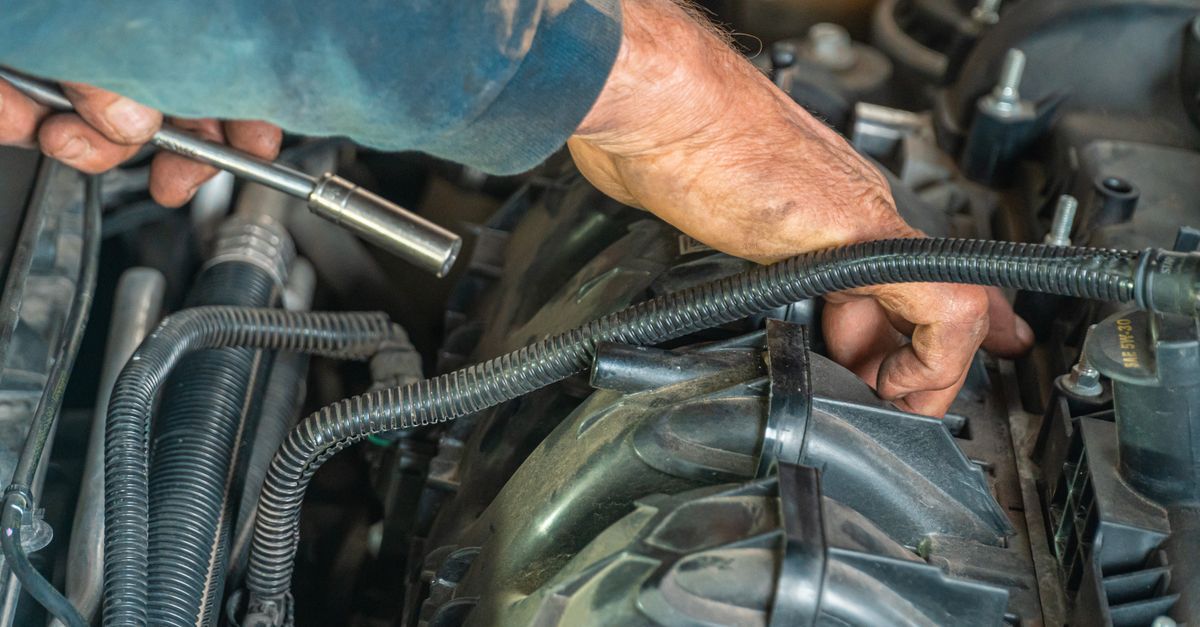
Radiators can crack from road debris or internal corrosion. A failing water pump often leaks from a small weep hole in its housing, which tells us the pump seal has worn out. Hoses usually look damp, crusty or swollen before they split, so replacing a soft or cracked hose early is far better than having it burst on the M1 on a hot day.
A worn radiator cap is easy to overlook. If it can't hold pressure, coolant escapes as vapour or gets pushed into the overflow reservoir and never comes back, so you lose coolant without any puddle at all. It's an inexpensive part that can save a lot of trouble. At Gold Coast Service Centre, a cooling system pressure test helps us find even tiny external leaks that evaporate before they drip.
Internal Coolant Leaks: When There's No Obvious Drip
An internal coolant leak is one where coolant escapes inside the engine or cabin, so it never reaches the ground. These are often the reason a car is losing coolant with no visible leak.
- Heater core leak: a sweet smell inside the car, fogged windows or damp carpet near the passenger footwell.
- Coolant burning in the engine: ongoing white smoke from the exhaust, rough idling and a drop in performance.
- Coolant mixing with oil: milky or creamy residue under the oil cap or on the dipstick, which points to a head gasket or internal engine fault.
Internal leaks need workshop tools such as pressure testers and chemical block tests to pinpoint. If you're in Southport, Labrador or elsewhere on the Gold Coast, don't just keep topping up and hoping for the best. Gold Coast Service Centre can find the source before a small problem becomes a major engine repair.
Serious Causes: Blown Head Gasket and Other Major Faults
A blown head gasket is one of the more serious causes of coolant loss, because it lets coolant into the combustion chambers and exhaust gases into the cooling system. The head gasket seals the gap between the engine block and cylinder head, keeping coolant, oil and combustion separate.
Warning signs include:
- Rapid coolant loss despite regular top-ups
- Overheating, especially under load or when towing
- White smoke from the exhaust
- Bubbles in the radiator or coolant reservoir with the engine running
- Milky or creamy engine oil
Coolant loss can also come from a cracked engine block, a cylinder head warped by previous overheating, or corroded internal passages. Driving with a suspected head gasket problem in Gold Coast heat can quickly turn a repairable fault into an engine replacement. If your car overheats, pull over safely and arrange a tow, then give Gold Coast Service Centre a call.
How Mechanics Diagnose Coolant Loss Properly
A mechanic diagnoses coolant loss by checking the system step by step, starting with simple visual checks and moving to pressure and chemical tests. Finding the real cause means you only pay to fix what's actually wrong. Our process at Gold Coast Service Centre usually follows this order:
- Visual inspection: we check for external leaks and look at the coolant's level, colour and condition.
- Radiator cap test: we confirm the cap holds pressure and seals properly.
- Pressure test: we pressurise the system to reveal hidden leaks at hoses, the radiator, heater core and water pump.
- Dye testing: UV dye helps track down tiny leaks that evaporate quickly.
- Block test and compression checks: these detect combustion gases in the coolant when we suspect an internal leak or head gasket problem.
We explain what we find in plain English and give you a quote before any work goes ahead.
Fixing and Preventing Coolant Leaks on the Gold Coast
The right fix for coolant loss depends entirely on the cause, from a quick hose change to a head gasket repair. Common repairs include:
- Replacing cracked or swollen hoses and clamps
- Repairing or replacing a leaking radiator
- Replacing a faulty radiator cap or cracked coolant reservoir
- Water pump or thermostat replacement
- Head gasket repair or heater core replacement for internal leaks
To help prevent coolant problems:
- Watch your temperature gauge and act on any change
- Check your coolant level regularly, with the engine cold
- Use the coolant type and mix your manufacturer specifies
- Have the cooling system inspected at each service
- Ask about a radiator flush if your coolant looks discoloured or hasn't been changed in a while
Gold Coast Service Centre has been family owned and locally operated since 2009, with 100+ years of combined experience across the team. If you've noticed coolant leaks or a dropping coolant level, call us on (07) 5591 7138 to book a cooling system check.
FAQ: Common Questions About Cars Losing Coolant
Is it safe to drive if my car is slowly losing coolant?
A slow leak might not cause an immediate breakdown, but it can get worse without warning. In stop-start Gold Coast traffic, low coolant leaves very little margin before the engine overheats. Check the level before each trip and book a check as soon as you can. If the gauge heads into the red, pull over safely and switch off the engine.
Why does my coolant level drop but I can't see any leaks?
Coolant loss with no visible leak usually comes from an internal leak, such as a heater core leak or head gasket problem, or from a radiator cap letting coolant escape as vapour. Normal evaporation rarely explains regular top-ups. Pressure and block testing will find the real cause.
Can I just use water instead of coolant if I'm topping up?
Plain water is fine as a short-term emergency fix to get you home or to a mechanic. Water on its own doesn't protect against corrosion or raise the boiling point like proper coolant does, so regular water top-ups weaken the mix over time. If you've added a lot of water, have the system flushed and refilled with the correct coolant.
How often should my coolant be changed?
Coolant change intervals vary by make, model and coolant type, so check your owner's manual or logbook. We can confirm the right interval for your car and inspect the cooling system at the same time.
Will a stop-leak additive fix my coolant leak permanently?
No, it won't. Stop-leak products can slow a very small leak for a while, but they can't reliably fix a head gasket, a cracked radiator or a worn pump seal, and some can clog small passages or the heater core. Use them only to get you to a workshop. For a lasting fix, call Gold Coast Service Centre on (07) 5591 7138 and we'll find and repair the leak properly.
Recent Posts