Check Engine Light On? What It Means and What to Do Next
When your check engine light comes on, it means your car's computer has logged a fault in the engine, emissions or related systems, and it needs a proper scan to find out what's wrong. At Gold Coast Service Centre, we see this every week at our Southport workshop. The good news is that a check engine light isn't always serious. The key is knowing how urgent your light is and what to do next, whether you're in Southport, Labrador, Robina or anywhere else on the Gold Coast.
Key Takeaways
- A steady amber engine warning light means book a check soon. A flashing light, or a red warning light alongside it, means slow down, stop safely and get help.
- Causes range from a loose fuel cap or an ageing sensor through to an engine misfire or catalytic converter trouble. Guessing, or simply clearing the code, is risky.
- Our team uses modern diagnostic equipment, and most diagnostic tests take between 30 minutes and an hour depending on the fault.
- We always give you a quote before any repair work goes ahead.
What the Check Engine Light Actually Means
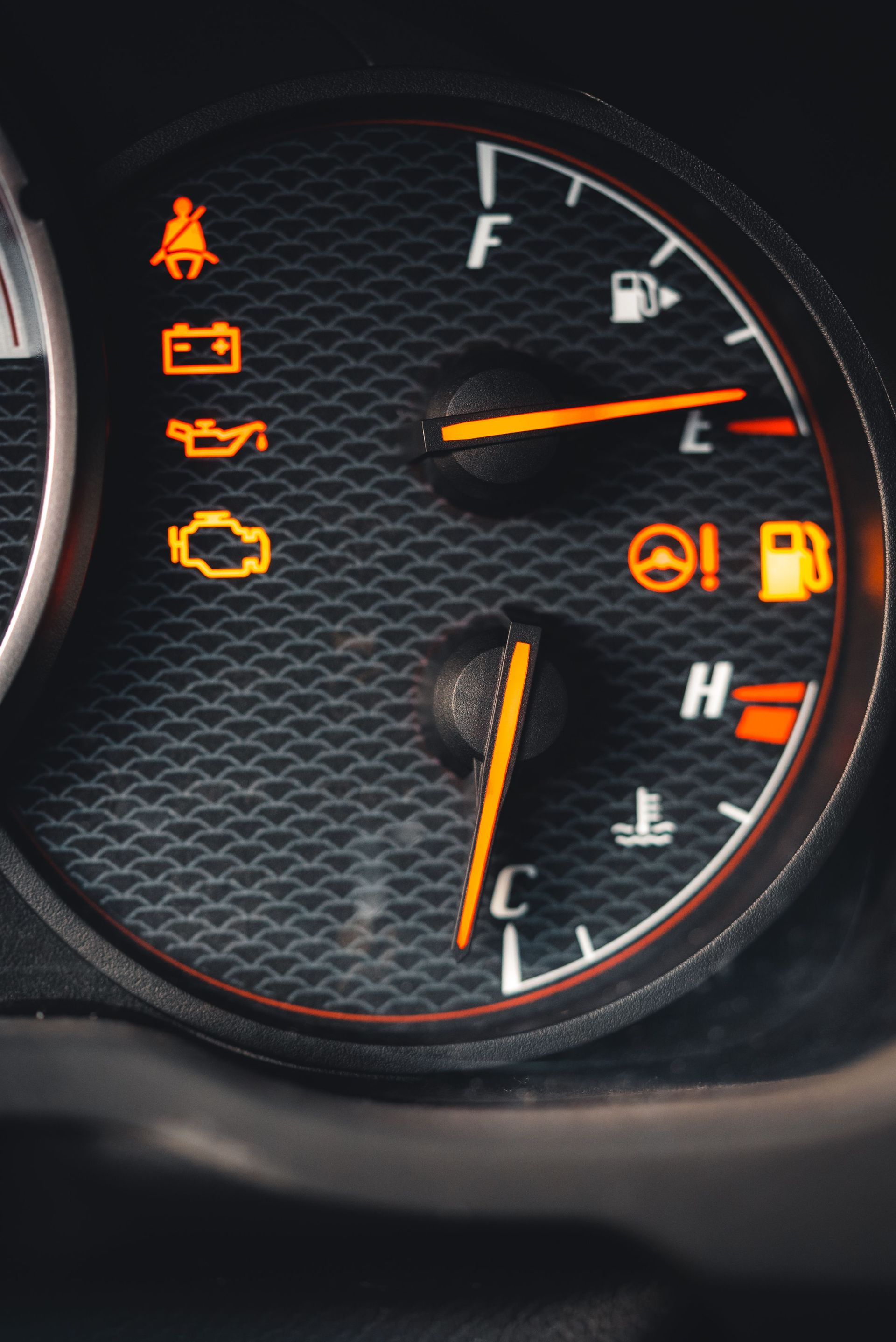
The check engine light is your engine management system telling you it has detected a reading outside its normal range. Its technical name is the malfunction indicator lamp (MIL). When a sensor reports something unusual, the engine control unit stores a diagnostic trouble code and switches the light on.
Your car monitors dozens of sensors, including oxygen sensors in the exhaust, airflow sensors on the intake, coolant temperature sensors and crank and cam position sensors. Because the light can be triggered by hundreds of different fault codes, the light on its own never tells you exactly which part has failed. The car can even feel perfectly normal to drive while the light is on.
If you're wondering what your check engine light means, the honest answer is that nobody can say for sure until the stored codes are read and tested. That's why, at Gold Coast Service Centre, we start every engine light job with a proper diagnostic scan rather than a guess.
Steady vs Flashing: How Urgent Is Your Engine Light?
A steady check engine light usually means a non-emergency fault, while a flashing check engine light means an active problem that needs attention straight away. How the light behaves tells you how quickly you need to act.
- Steady light: the computer has logged a fault, but it's not an emergency. Drive gently and book a diagnostic scan as soon as you can.
- Flashing light: this usually signals an engine misfire. Unburnt fuel can pass into the exhaust and overheat the catalytic converter, turning a moderate repair into an expensive one.
- Red warning light or limp mode: some cars cut power to protect the engine and transmission (often called limp mode or limp home mode). Reduce speed and head straight to a workshop, or arrange a tow.
Pull over safely if a flashing light comes with power loss, rough running, a strong fuel smell or smoke. Whether you're on the M1 or the Gold Coast Highway, the team at Gold Coast Service Centre would much rather you arrange a tow than risk further engine damage.
Immediate Steps When the Engine Light Comes On
The first thing to do when your engine light comes on is stay calm and check whether any other warning lights or gauges are telling you to stop. Here's what we suggest Gold Coast drivers do in the first few minutes:
- Check your gauges. Look at the temperature gauge, the oil pressure warning and the battery light. If any are red, or the engine is overheating, stop somewhere safe straight away.
- Check the fuel cap. With the engine off, make sure the cap is fitted and clicks tight. A loose fuel cap is a common trigger, and the light may go out by itself after a few normal drives once the cap is sealed.
- Steady light, car feels normal? Drive gently. Avoid hard acceleration, towing and long highway runs until it's been checked.
- Flashing light or rough running? Ease off, avoid hills and heavy loads, and pull over if the car shakes or loses power.
Once you're safely parked, give Gold Coast Service Centre a call and we'll talk you through whether the car is OK to bring in or should be towed.
The Most Common Causes When the Engine Light Comes On
The most common causes of a check engine light are fuel cap, sensor, ignition, air and fuel supply, and emissions faults. These are the problems we see most often at our Southport workshop, although a proper diagnosis still needs scanning and testing.
Minor faults
- A loose or damaged fuel cap
- Ageing oxygen sensors, which can affect fuel economy and emissions
- Small leaks or faults in the evaporative emissions system
Ignition and performance issues
- Worn spark plugs causing misfires and a flashing light
- Failing ignition coils, often alongside spark plug wear
- Misfires under load, with rough idling and poor fuel economy
Fuel and air supply problems
- Dirty or clogged fuel injectors
- A vacuum leak letting unmetered air into the engine
- Airflow and temperature sensor faults that cause no obvious symptoms, making them easy to miss
Exhaust and emissions hardware
- A failing catalytic converter
- EGR or DPF faults in diesel vehicles
- Corroded wiring or connectors, which salt air on the coast can speed up
How Mechanics Diagnose a Check Engine Light
A mechanic diagnoses a check engine light by connecting a scan tool to the car's OBD-II port, reading the stored fault codes and then testing the system those codes point to. At Gold Coast Service Centre, that process looks like this:
- We read stored and pending diagnostic trouble codes, plus freeze-frame data showing exactly what the engine was doing when the fault was logged.
- We watch live sensor data with the engine running to catch intermittent problems.
- Where needed, we run extra tests such as fuel pressure checks or smoke testing for vacuum leaks.
Most diagnostic tests at our workshop take between 30 minutes and an hour depending on the fault. A simple misfire from a worn spark plug is often found quickly, while faults involving several sensors can take longer to pin down. Once we've confirmed the cause, we explain it in plain English and give you a quote before any repair work goes ahead. You can read more about our car diagnostics on the Gold Coast.

Engine Light vs Other Warning Lights on Your Dash
The check engine light is an amber warning, which means book a check soon, whereas red warning lights mean stop as soon as it's safe. Here's a quick guide we give Gold Coast drivers:
- Amber or orange (check engine, ABS, traction control, tyre pressure): book a check soon. The car is usually still drivable.
- Red (oil pressure, engine temperature, brake system): stop as soon as it's safe. Continuing to drive risks major damage.
- Green or blue (headlights, indicators, high beam, cruise control): these simply show a system is switched on.
The tyre pressure light is a common amber warning that drivers mistake for something more serious. Check your pressures at the next servo and book a check if it stays on. If other warning lights appear alongside the engine light, deal with the most urgent one first, and get in touch with Gold Coast Service Centre if you're unsure.
Can You Keep Driving Or Just Reset the Engine Light?
You can usually drive carefully to a mechanic with a steady engine light and no other symptoms, but you shouldn't keep driving with a flashing light, and resetting the light doesn't fix the fault.
Driving with a flashing light or obvious power loss can damage the catalytic converter, so a tow is often cheaper than pushing on. Some drivers disconnect the battery or use a cheap code reader to clear the code. That erases useful diagnostic information, and the light will usually return once the car's self-checks run again. At Gold Coast Service Centre, we fix the root cause rather than just clearing the light, so you're not back on the side of the road a week later.
Prevention & When to Call Gold Coast Service Centre
Regular servicing is the best way to reduce unexpected warning lights and keep repair costs predictable. A few habits that help:
- Replace spark plugs and ignition parts when your logbook says they're due
- Use quality fuel from reputable servos
- Make sure the fuel cap clicks shut every time you fill up
- Pay attention to early signs like rough idling, higher fuel use or a light that comes and goes
Gold Coast Service Centre has been family owned and locally operated mechanic in Southport since 2009, with 100+ years of combined experience across the team. If your engine light is on, give us a call on (07) 5591 7138 and we'll find out exactly what's going on before anything gets repaired.
Check Engine Light FAQs
How long can I safely drive with a steady check engine light?
If the light is steady, the car feels normal and no other warning lights are on, you can usually finish a short local trip and then book a diagnostic promptly. Don't leave it for weeks, as small faults can grow, especially if you regularly drive the M1 at highway speeds.
Will my car pass a Queensland safety certificate with the engine light on?
An active warning light can be flagged during a safety certificate inspection, so it makes sense to have the fault diagnosed and fixed before you sell or trade in your car. We can check the light and talk you through your options first.
Could low fuel or bad fuel cause the engine light to come on?
Yes, it can. Regularly running very low on fuel can strain the fuel pump, and contaminated fuel can cause misfires that switch the light on. If the light appears after a suspect fill-up, book a diagnostic check.
Does the check engine light always mean an expensive repair?
No, it doesn't. Many faults are straightforward, such as a loose fuel cap, an ageing sensor or a minor emissions fault. Others, like catalytic converter problems, cost more. The only way to know is to have the car scanned and tested.
Can I use a cheap code reader at home instead of visiting a mechanic?
A basic code reader shows stored codes, but it doesn't replace proper testing, live data and experience. Replacing parts based on one code can waste money if the real cause is wiring, a connector or another system. If you'd like the fault found properly, Gold Coast Service Centre can scan and test your car at our Southport workshop and give you a quote before any work starts.
Recent Posts